Termites Information & Biology
LEARN MORE ABOUT TERMITES
Subterranean termites are among the most destructive pests, causing significant damage to wooden structures. They thrive in colonies underground, making them difficult to detect until the damage is done. Knowing their biology and behavior is crucial for effective control and prevention.
What are Subterranean Termites?
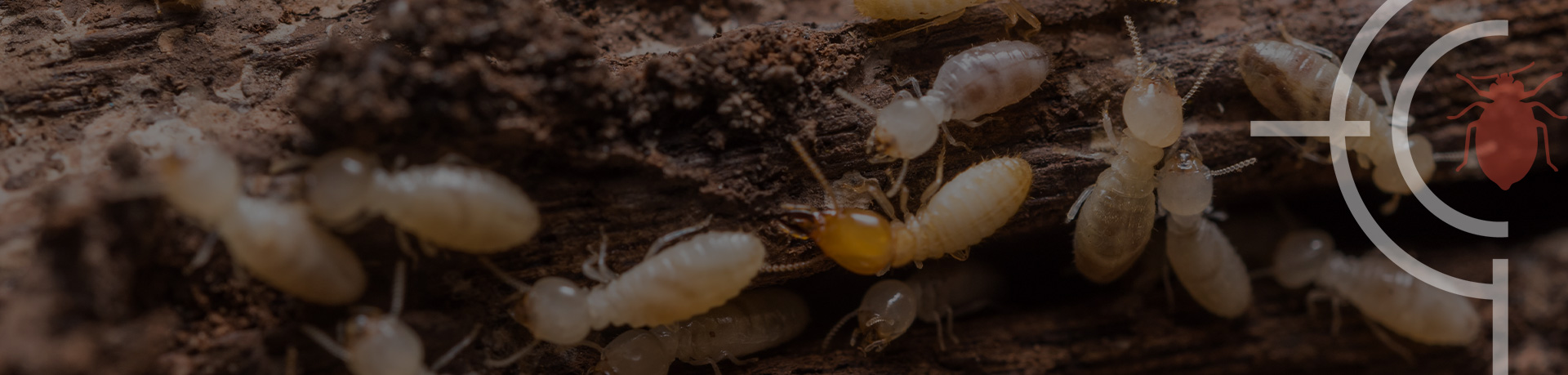
The termites in our area of the country are classified as subterranean termites. This means this particular species of termite requires contact with soil (other species around the world may not). Subterranean termites can be found in every state in the United States (even a few times in Alaska). Subterranean termites used to be called “white ants” because of their fair color and similar size to ants, but termites are more closely related to cockroaches than they are to ants.
Subterranean termites have a caste (or “class” system, essentially) where nymphs (immature young) can develop into a Worker (most common), a Soldier, or a Reproductive (king / queen). Colony size can be anywhere from a few thousand to a few million. Every full acre in the Northeast is home to 1 to 3 colonies of subterranean termites. Termites can be found under warm rocks, in tree stumps, fallen branches, wood piles, etc.
Frequently Asked Questions
Still have questions or can't find the answer you need? Give us a call at 877-665-2667 today!
-
Should I be concerned about moisture?Yes, termites thrive in moist environments. Check for leaks in plumbing, roofs, and basements. Reducing moisture levels can significantly lower your risk of a termite infestation.
-
What treatments are available for termites?There are various treatments, including liquid termiticides, bait systems, and fumigation. A pest control expert can recommend the best option for your situation.
-
What are the signs of termite damage?
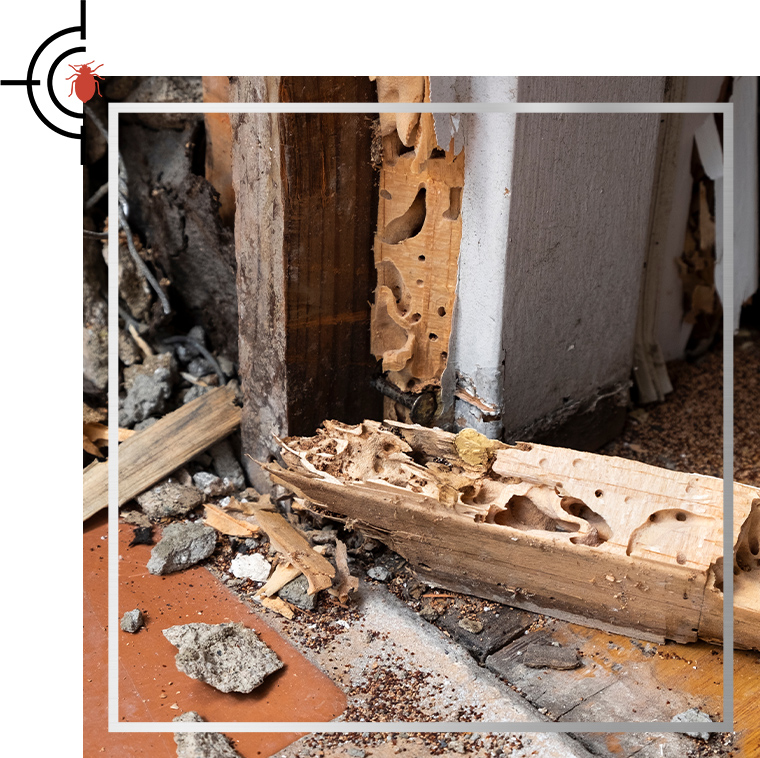
Look for hollowed-out wood, mud tubes on exterior walls, or discarded wings near windows and doors. These can all indicate a termite presence. Regular inspections can help catch these signs early.
Learn More -
What are the signs of a termite infestation?Common signs include mud tubes, discarded wings, and hollow-sounding wood. Regular inspections can help catch these signs early.
-
How do Trelona ATBS Annual Bait Stations work?Due to its large and innovative station design, termites find Trelona ATBS bait stations fast. Termites feed upon the cellulose matrix within Trelona Compressed Termite Bait, which termites prefer over the wood used in homes. Termites travel back to the colony, sharing the bait containing Novaluron, a fast-acting chitin synthesis inhibitor. As a result, Trelona ATBS achieves on-going structural protection through colony elimination.
Worker Termites
The worker termite performs vital tasks for the colony including building and maintaining the nest, gathering food and feeding the other caste members. They can be male or female and are blind, wingless, and sterile.
Soldier Termites
Similar to worker termites the soldier termite can be male or female and are blind, sterile, and wingless. Their main role is to defend the colony with the help of their large and powerful jaws.
Reproductive Termites
There are different types of reproductive termites within the caste. The "Allates" also known as "Swarmers" leave the nest to mate and colonize. Once colonized they will become kings or queens responsible for egg production. There are also reproductive termites known as "Neotenic" that help the queen lay her eggs and can step up and replace the queen if she dies. Reproductive termites have wings and the ability to see.
Termites are always in search of new food and they will explore underground or in some cases they will build “mud tubes” to bridge the gap from soil to food. The termites will travel up and down inside these tubes, consuming the cellulose (the binding sugars in wood products) and returning to the underground colony to feed the rest of their nest mates. Termites do not die in the winter, they simply move further down in the warm ground. Subterranean termites will send out “swarmers” or small, black, winged reproductives in early spring (April to early June usually). These swarmers are often mistaken for flying ants but these insects break their little clear wings off and crawl around on the floor or ground.
Protect Your Home
Don't let subterranean termites compromise your home. With our expert services, you can ensure your property remains safe and sound. Reach out to Pest Assassins today for a consultation.