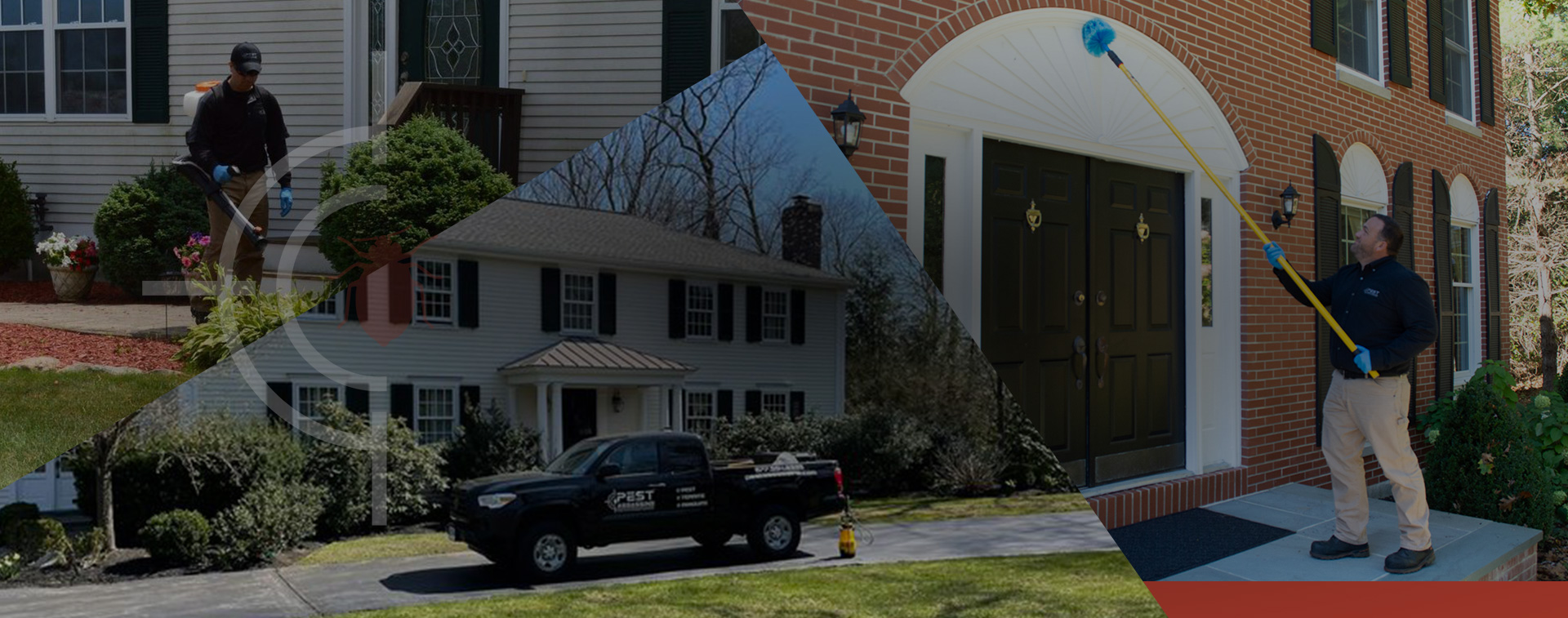
At Pest Assassins, we don’t just control pests—we take them out. With expert precision and no required contracts, our licensed professionals deliver fast, effective solutions to keep your home or business pest-free.
Aphid Control In New England
Stop Aphids From Ruining Your Plants
If you’re noticing sticky leaves, curling growth, or clusters of tiny insects on your plants, you’re likely dealing with aphids. These common garden pests can quickly weaken shrubs, flowers, vegetables, and ornamental plants—especially during New England’s short but intense growing season.
At Pest Assassins, we help homeowners and property managers protect their landscapes with effective, contract-free aphid control in New England. As part of our broader pest control services, our team delivers targeted solutions designed to protect your plants without unnecessary disruption.
We understand how frustrating it can be to see damage appear just as your garden begins to thrive. That’s why our aphid control services focus on precision, timing, and long-term prevention—so your plants stay healthy throughout the season.
Why Aphids Are A Serious Threat
Aphids may be small, but they can cause significant damage in a short amount of time. These pests feed by piercing stems and leaves to extract sap, weakening plants and reducing their ability to grow and recover.
As aphids feed, they produce a sticky substance called honeydew. This residue coats leaves, patios, railings, and garden surfaces, often leading to black sooty mold growth that blocks sunlight and further stresses plants. It can also attract ants, which is why infestations often overlap with issues that require ant control.
Left untreated, infestations can spread rapidly, especially during periods of warm temperatures and new plant growth.
Certain plants are especially vulnerable in New England landscapes, including roses, hydrangeas, tomatoes, peppers, leafy greens, and many ornamental shrubs. Once aphids establish themselves early in the season, recovery becomes more difficult—making early intervention essential.
Common ways aphids can impact your landscape include:
- Stunting new growth by draining sap from tender shoots
- Reducing flowering and fruiting on ornamentals and vegetables
- Encouraging secondary problems like mold, ants, and plant stress
- Spreading quickly between plants as populations grow
Because aphids reproduce so rapidly, what starts as a minor issue can quickly become widespread. Taking action early helps avoid the need for more aggressive plant pest control later in the season.
Our Aphid Treatment Process In New England
We approach every aphid problem with a clear, structured process so you know exactly what to expect.
Our technicians begin with a detailed inspection of your property, focusing on new growth, leaf undersides, and shaded areas where aphids often hide.
Our inspection process includes:
- Reviewing vulnerable plants such as roses, hydrangeas, and vegetable beds
- Checking high-risk areas like dense shrub canopies and sheltered corners
- Evaluating environmental factors like moisture, shade, and surrounding vegetation
- Discussing your goals for plant health, appearance, and maintenance
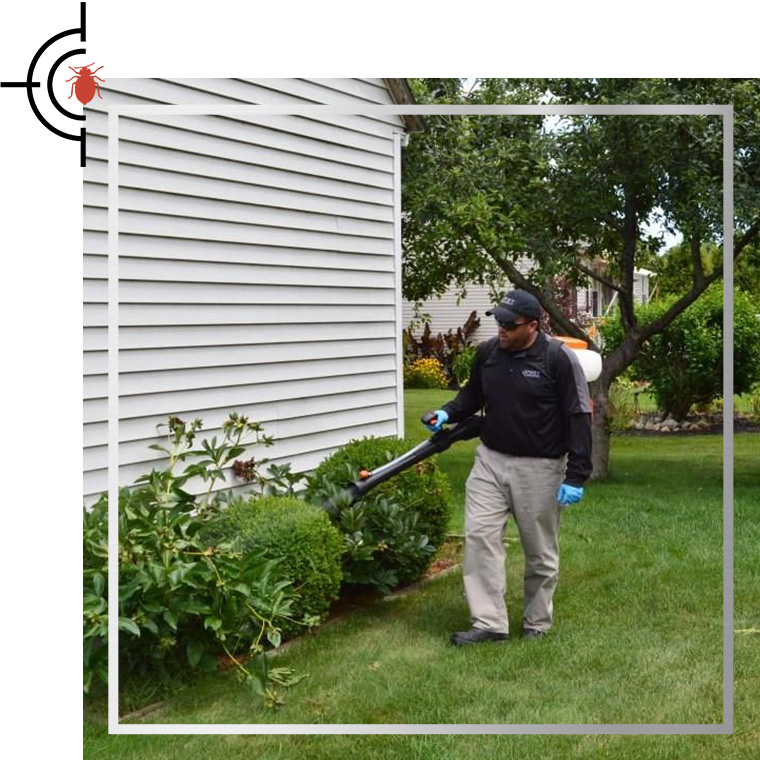
Once the inspection is complete, we design a targeted treatment plan. Rather than blanket spraying, we focus on precise applications that control aphids while minimizing impact on beneficial insects.
During your visit, we also provide guidance on simple steps you can take between treatments. This may include pruning heavily infested growth, adjusting watering habits, or improving airflow around plants.
Our team is licensed in both Rhode Island and Massachusetts, ensuring all treatments meet regional standards. This same level of care applies across all services, whether addressing plant pests or larger structural concerns like termite control.
Safe Protection For Families And Plants
We understand that safety is a top concern when treating plant pests. That’s why our approach prioritizes responsible applications and clear communication.
Before treatment, we walk your property with you to identify sensitive areas such as:
- Vegetable gardens
- Pollinator-friendly plants
- Children’s play areas
- Pet zones
To protect your household and landscape, we focus on:
- Targeted applications instead of broad spraying
- Product selection based on specific areas of your yard
- Clear re-entry guidelines after treatment
- Practical preparation steps before service
This approach ensures effective control while maintaining a safe and balanced outdoor environment. It also reflects the same standards used in our broader commercial pest control and residential services.
Ongoing Aphid Prevention Without Contracts
Aphids are rarely a one-time issue. In many New England landscapes, populations can return as conditions change throughout the growing season.
That’s why we offer flexible, contract-free prevention options. You can choose one-time service or ongoing monitoring based on your needs.
Our ongoing aphid control plans may include:
- Early-season inspections to catch infestations before they spread
- Mid-season follow-ups during peak growth and humidity
- End-of-season evaluations to prepare for next year
- Customized care recommendations for long-term plant health
Because our services are flexible, you can adjust your plan as your landscape evolves. Whether you’re managing a home garden or a larger property, we help you stay ahead of pest activity without unnecessary commitments.
Common Aphid Issues In New England Landscapes
New England’s climate creates ideal conditions for aphid activity. Cool springs, humid summers, and dense planting layouts allow populations to grow quickly.
Aphids often appear first on tender new growth, especially in sheltered areas. As the season progresses, they can spread to garden beds, ornamental plants, and even nearby outdoor living spaces.
Because many properties combine decorative landscaping with edible plants, infestations can move between areas quickly. This can impact both appearance and plant productivity.
We consider these regional patterns when planning treatments. By aligning service timing with plant growth cycles and weather conditions, we help deliver more consistent and effective results.
Frequently Asked Questions
How Do I Know If Aphids Are Damaging My Plants?
Common signs include curled leaves, sticky residue, yellowing foliage, and increased ant activity. Our technicians can confirm the severity during an inspection.
Are Your Aphid Treatments Safe For Kids And Pets?
Yes. We use carefully selected products and provide clear instructions to ensure safety before and after treatment.
Will I Need To Sign A Long-Term Contract?
No. All services are contract-free, giving you full control over how often treatments are scheduled.
How Often Should I Treat For Aphids In This Region?
Treatment frequency depends on plant type, infestation level, and seasonal conditions. Many properties benefit from early monitoring and periodic follow-ups.
Who Will Be Treating My Property?
All services are handled by trained, background-checked professionals. You can also see what other customers say about our work by visiting our reviews page.
Protect Your Landscape From Aphids
Unchecked aphids can quickly undo months of landscaping effort. With professional aphid control, you can protect the time, money, and care you’ve invested in your outdoor spaces.
If you’re dealing with aphids or want proactive protection, our team is ready to help. We also provide solutions for other common pests, including rodent control, bed bug control, and seasonal services like mosquito and tick control.
To get started, visit our contact page or call (877) 665-2667 to schedule your service today.
To schedule service or ask a question, call (877) 665-2667.
How Can We Help You?
Put a Stop to Your Pests
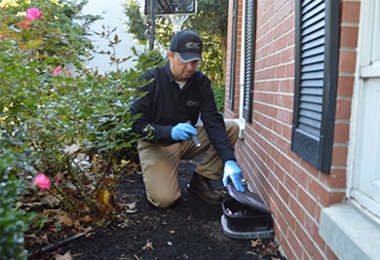

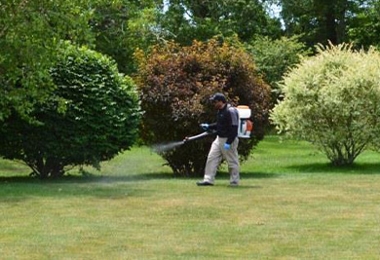
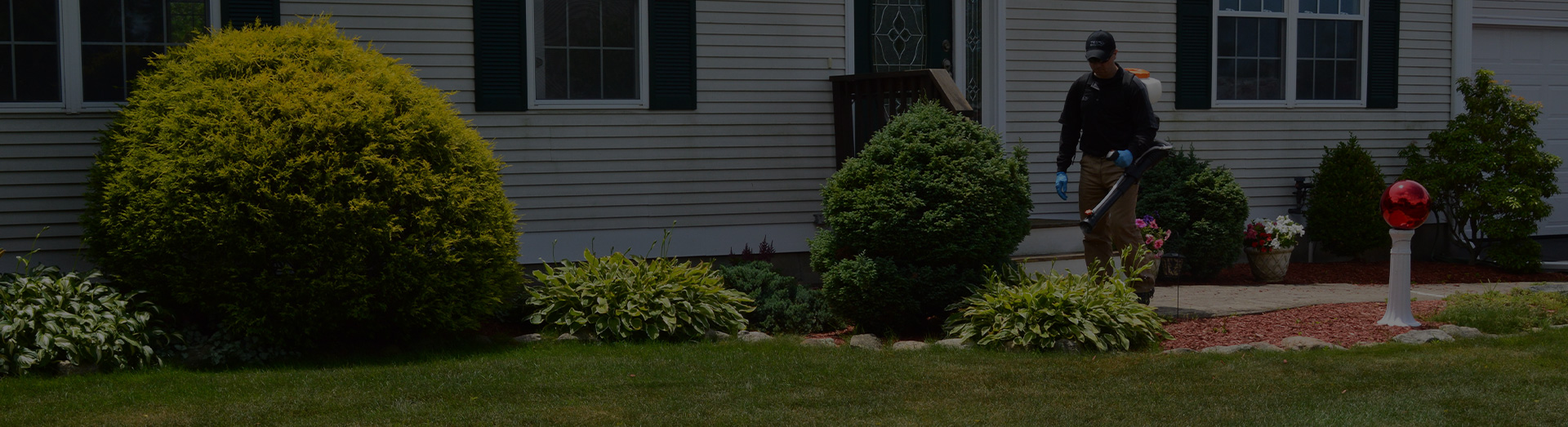
Enjoy peace of mind with our flexible recurring service. Get expert pest control every quarter, without the commitment of a contract. You can cancel anytime, but we’re confident you’ll love the results!
What Sets Us Apart?
-
Precision, Not GuessworkOur team is licensed in both RI & MA, trained to the highest standards, and committed to delivering meticulous pest control solutions. From thorough inspections to effective treatments, we take a detailed approach to every job.
-
No Contracts, No HassleWe believe in earning your business with results, not binding contracts. Our services are straightforward, effective, and flexible—cancel anytime, no strings attached.
-
On Time, Every TimeYou can count on us for prompt, reliable service with clear, upfront pricing. We respect your time, and we show up when we say we will—because trust starts with reliability.
-
Veteran-Owned, Customer-FocusedFounded on discipline, integrity, and attention to detail, we bring a mission-ready mindset to every job. Your satisfaction is our priority, and we back it up with a guarantee.
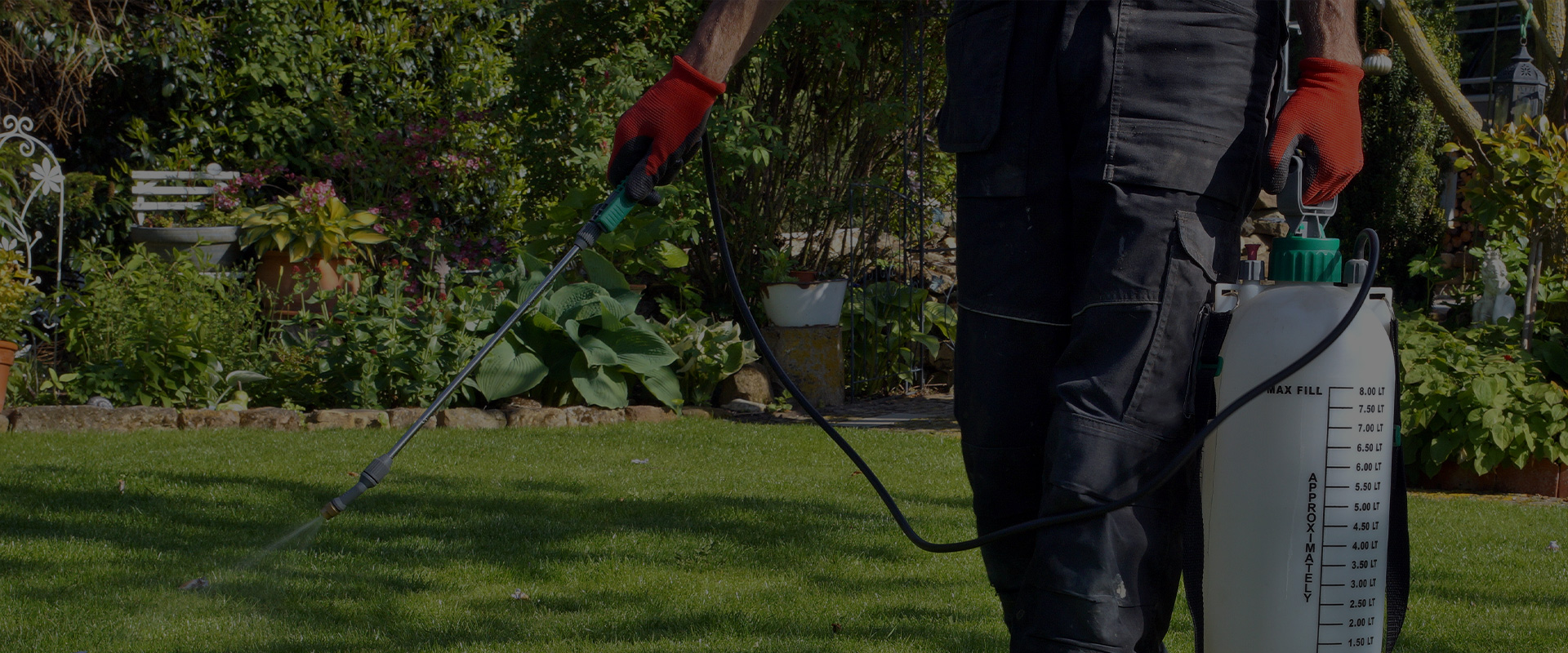
Pest Problems Neutralized!
Hear From Our Happy Customers
Serving Smithfield, RI Since 2011
-
"Amazing Service!"Everyone who comes out to our property does a great job, great customer service, very professional, and the treatments are very effective!- Ruta O.
-
"Always Recommend!"They take the time to listen to your pest concerns, walk you through solution options, and implement the appropriate treatments in a very timely manner.- Eric R.
-
"Above and Beyond!"Fast, courteous, effective. I can't say enough nice stuff about these guys.- Justin C.
-
"Great Company!"Courteous professional staff who are good at their jobs and keep good care of clients' homes.- David C.
-
"Quick Service!"They are quick to respond, communicate clearly, and are reasonable in their pricing.- Michael C.
-
"Professional & Trustworthy"Pest Assassins is trustworthy, reasonably-priced, and honest with the work they do.- John P.
-
"5+ Stars!"
Pest Assassins is always professional, on time, and thorough!
- Christine V. -
"Great Service!"Pest Assasins has given me the piece of mind that all is well & taken care of. That to me is priceless!- Cat G.
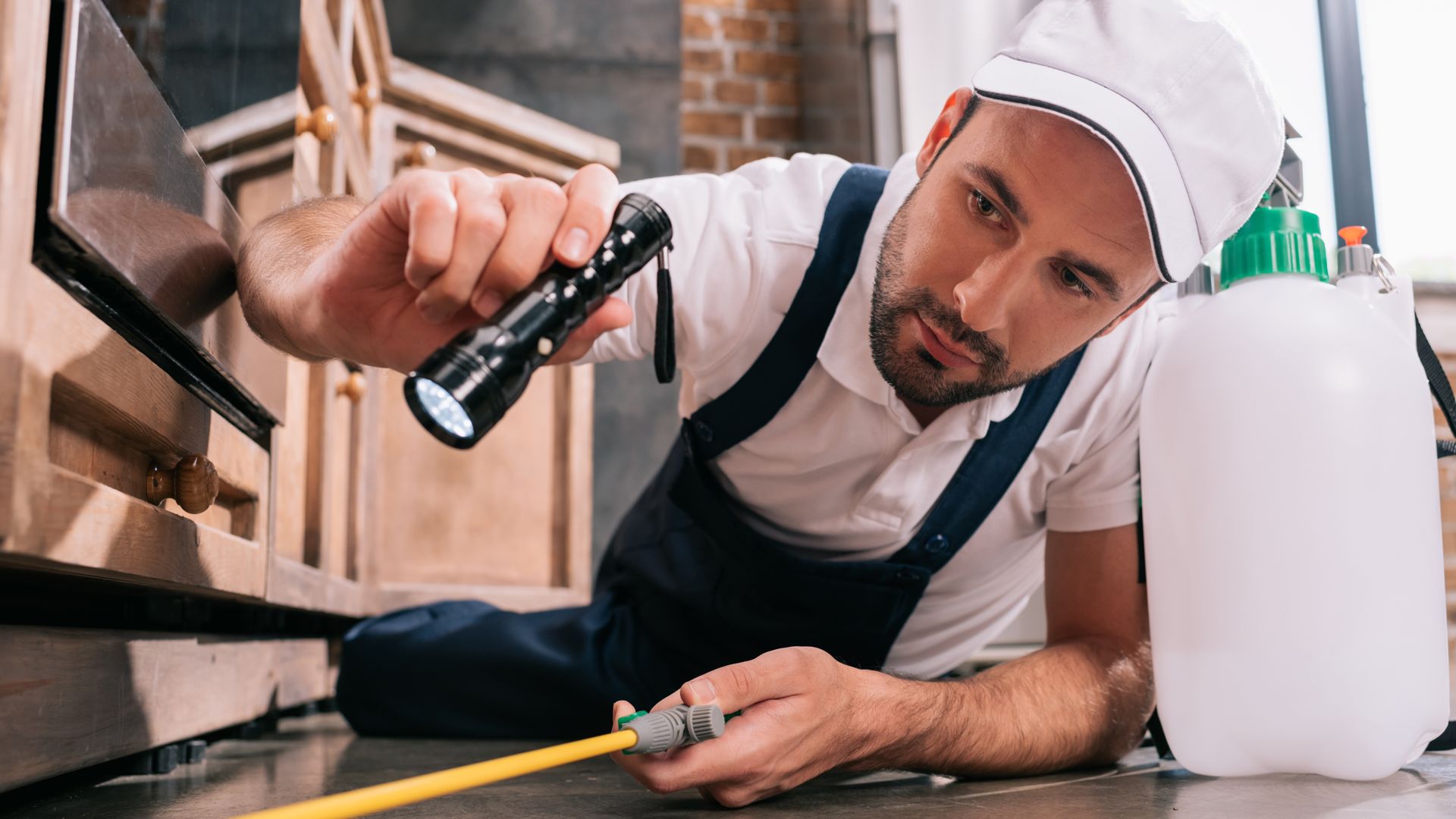
Our proven mosquito and tick control program keeps your yard safe, so you can enjoy the outdoors without the worry of bites or diseases.






.2609181017069.png)
.2605060643302.jpg)